
Published September 18, 2026
Florida Is Voting on Eliminating Property Taxes. Here Is What Homeowners Need to Know

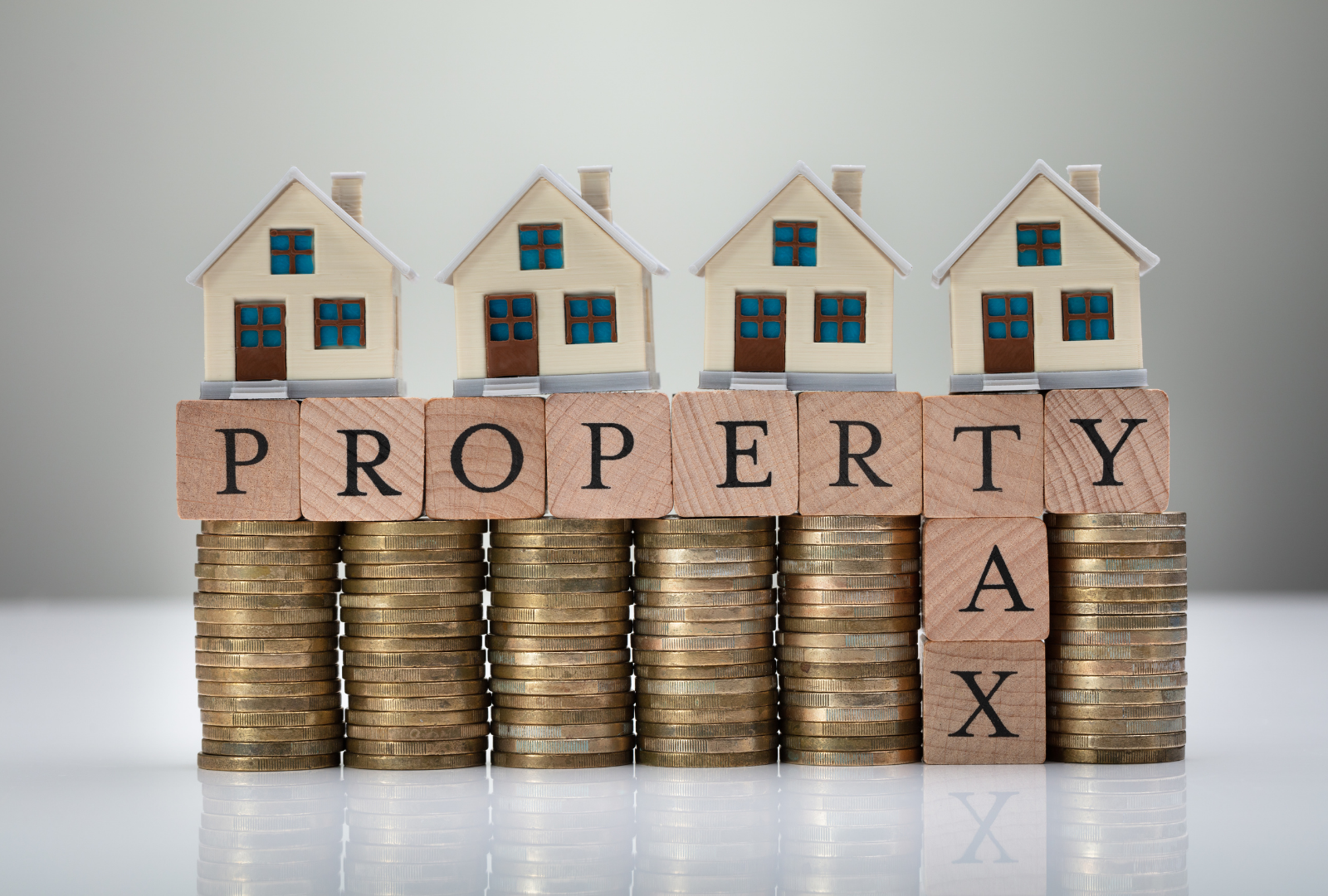
A proposed constitutional amendment making its way toward Florida voters would do something that has never been done in any state in the country: eliminate property taxes on primary residences entirely for many homeowners. For buyers and sellers across North Central Florida, this is a significant conversation worth understanding before heading to the ballot box. Here is a straightforward look at what the proposal means, what supporters say it would accomplish, and what critics are concerned about.
What the Amendment Would Do
The proposal would amend the Florida Constitution to eliminate property taxes on homesteaded properties up to a certain assessed value, meaning full relief would apply to primary residences that fall below a defined threshold. Homes valued above that cap would still receive meaningful tax relief but would not have their property taxes eliminated entirely. Investment properties, vacation homes, and commercial real estate would not be included and would continue to be taxed at current rates.
Florida's current homestead exemption reduces the taxable value of a primary residence by $50,000, a figure that has remained largely unchanged for decades. The plan would gradually increase that exemption year over year on a defined schedule, incrementally reducing the property tax burden on primary residents until it reaches the cap. Rather than an overnight elimination, the approach is designed to give local governments time to adapt their budgets and find replacement revenue sources as the exemption phases in over time.
For context, the average Florida homeowner currently pays somewhere between one and two percent of their home's assessed value in property taxes each year. On a $350,000 home, that could mean $3,500 to $7,000 or more annually depending on the county. For homeowners whose properties fall below the exemption cap, eliminating that expense entirely would represent a meaningful and lasting improvement in monthly cash flow.
What Supporters Are Saying
Proponents argue that property taxes create an unfair and ongoing financial burden on homeowners, particularly retirees on fixed incomes who may own their home outright but still face a growing tax bill as property values rise. Supporters point to affordability benefits for working families and first-time buyers, noting that a gradual phase-out of property taxes on primary residences would meaningfully lower the true cost of homeownership in Florida for the majority of homeowners. The incremental approach with a defined cap is seen by many supporters as a responsible and realistic path forward that gives both taxpayers and local governments time to plan accordingly.
What Critics Are Concerned About
The concerns center primarily on where the money would come from to replace the revenue currently generated by property taxes. In Florida, property taxes fund local governments, public schools, fire departments, libraries, and road maintenance. Alachua County alone collects hundreds of millions of dollars in property tax revenue each year. Critics argue that even with a gradual phase-out, eliminating this revenue source without a clearly defined and equally reliable replacement would eventually force local governments to cut services or shift the burden elsewhere, most likely through increased sales taxes that could disproportionately affect lower income residents. Some also raise concerns that the value cap creates a two-tiered system where higher-value homeowners still carry a property tax burden while others do not.
What This Means for Buyers and Sellers
Regardless of how the vote goes, this conversation is worth paying attention to if you are currently in the market. For buyers, a gradually declining property tax bill on homes under the exemption cap is worth factoring into your long-term affordability planning. For sellers, understanding where your home falls relative to the proposed cap could become a relevant part of how buyers evaluate and compare properties in the years ahead.
What we do know is that the Gainesville and North Central Florida market has historically been resilient through policy changes, thanks in large part to the stability provided by the University of Florida, UF Health, and a diverse local economy. At The Whitney Perkins Team, we stay on top of the policies and market conditions that matter most to our clients. If you have questions about how this or any other change might affect your real estate plans, reach out today and let's connect.
To learn more about the proposed amendment, visit myfloridahouse.gov.
The Whitney Perkins Team at Keller Williams in Gainesville, Florida is ranked in the top 5% of REALTORs® in Alachua County, helping 126 families buy or sell homes last year with more than $34.4 million in sales. We treat our clients like family and focus on doing what is right.
Are you looking for a professional who truly listens to your vision for a home, or do you need an expert strategist who knows how to effectively market your property for a top-dollar sale? From Gainesville to the surrounding areas, we provide the responsive, attentive service you deserve, backed by real-world results. Give us a call. We are eager to help you start your next chapter.