
Published June 27, 2025
Home Inspections 101: What Every Buyer Needs to Know

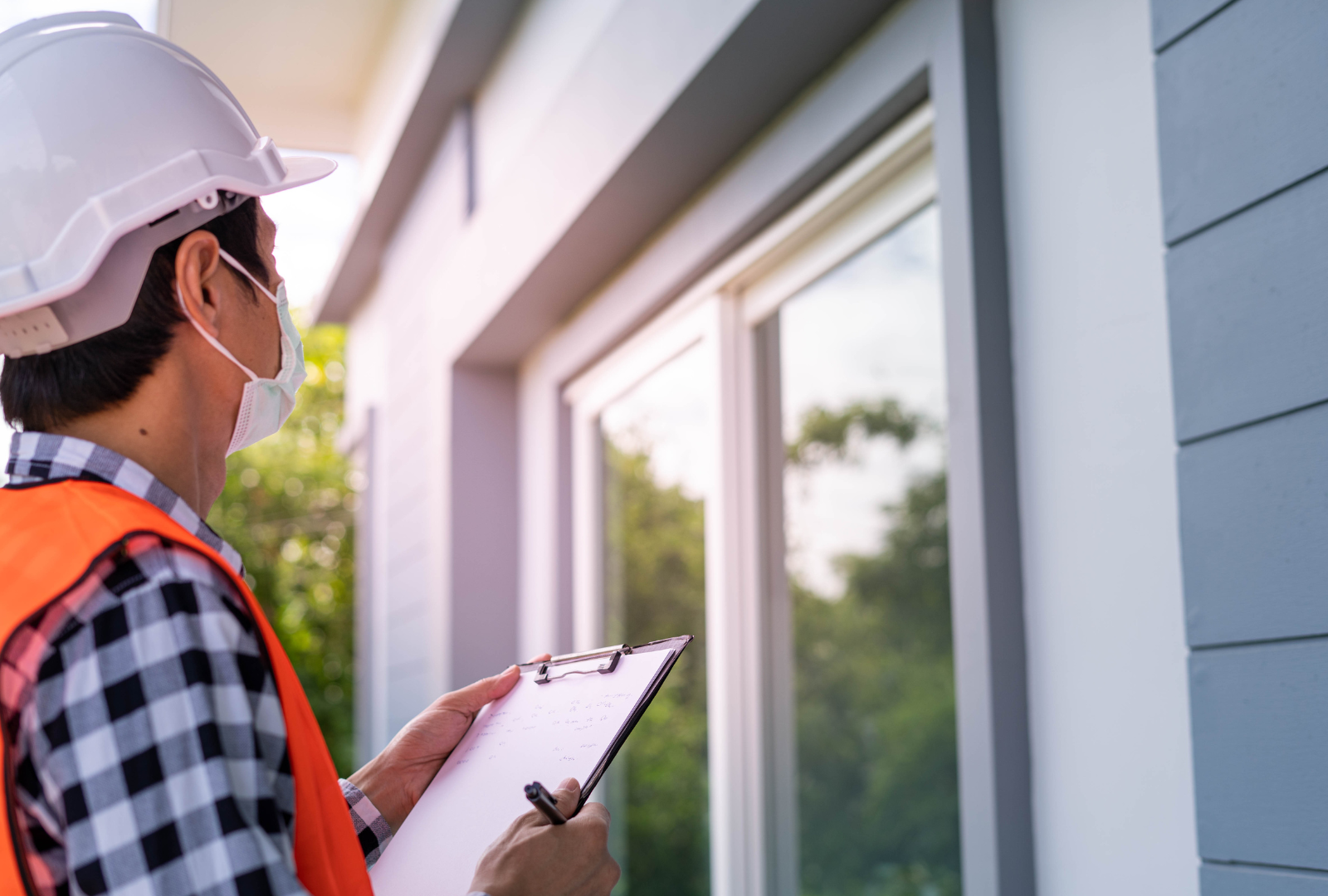
A home inspection is one of the most important steps in the homebuying process. It gives you a clearer picture of the property’s condition and can help you avoid costly surprises down the road. Whether you're a first-time buyer or a seasoned homeowner, understanding the different types of inspections available can help you make a smarter, more confident decision.
Why a General Home Inspection Matters
A standard home inspection provides a detailed overview of the property, from the roof to the foundation. A licensed inspector will check the major systems—electrical, plumbing, HVAC, roof, and structure—and look for signs of damage or needed repairs. This inspection not only protects you as the buyer, but also gives you the ability to negotiate repairs or price adjustments before closing.
What Is a 4-Point Inspection?
A 4-point inspection focuses on four key areas: the roof, electrical, plumbing, and HVAC systems. Insurance companies often require this for older homes before issuing a policy, as it helps them assess the home's insurability. This is especially common in Florida and other regions where aging home systems are a concern.
Wind Mitigation Report
In hurricane-prone areas, like Florida, a wind mitigation report can save you money on insurance. This inspection evaluates the home’s ability to withstand strong winds and storms, checking things like roof shape, roof-to-wall attachments, and impact-rated windows or shutters. The stronger the wind resistance, the greater the potential insurance discounts.
WDO (Wood-Destroying Organism) Inspection
Termites and other wood-destroying pests can cause serious damage that’s not always visible. A WDO inspection (sometimes called a termite inspection) looks for signs of infestation or damage from pests like termites, carpenter ants, and wood-decaying fungi. Some lenders require this report before approving a mortgage, and it's especially important in humid climates.
Should You Test for Radon?
Radon is a naturally occurring radioactive gas that can seep into homes from the ground and is the second leading cause of lung cancer in the U.S. A radon test is simple and inexpensive, and results can help you determine if mitigation is needed. While not required in all areas, it's a smart step to ensure a safe living environment—especially in areas where radon levels are known to be higher.
While inspections may feel like just another item on the homebuying to-do list, they play a crucial role in protecting your investment and your safety. Before you close on your next home, talk to your real estate agent about which inspections make the most sense for your situation and location. Taking these steps now can save you time, money, and stress later on. If you have any questions about home inspections or want to talk about finding your next home, give our team a call!